

A septic tank is easy to forget about when it’s doing its job properly. Wastewater disappears down the drain, the system quietly gets on with it underground, and life carries on. But septic tanks still need regular attention. Leave one too long between pump outs and you could end up with slow drains, unpleasant smells, an overflow or sewage backing up where you definitely don’t want it.
So, how often should you pump out a septic tank? As a general guide, most septic tanks should be pumped out every 2 to 5 years. The right timing for your property depends on the size of the tank, how many people use it, its age and how much wastewater it receives. The best approach is to understand how the system works, know the warning signs and stick to a sensible servicing schedule.
How does a septic tank work?
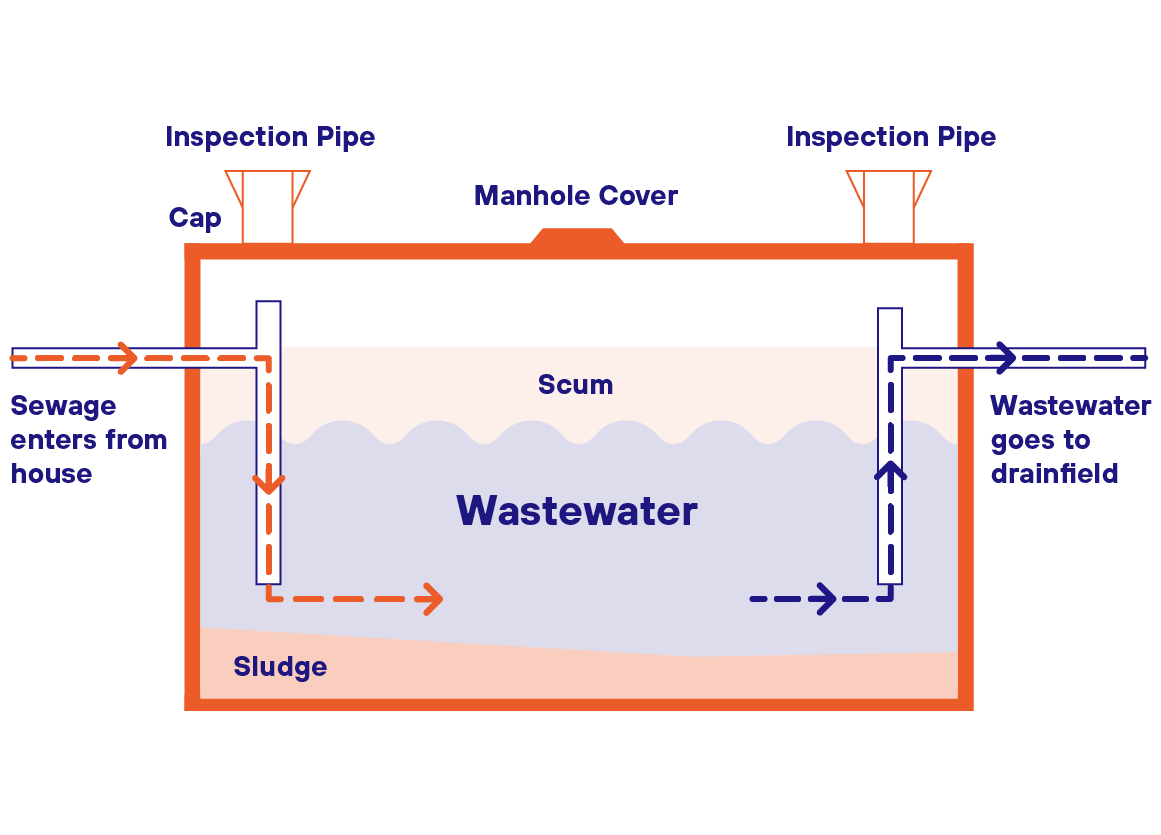
A septic tank is an underground wastewater collection and treatment system, generally used at properties that aren’t connected to a mains sewerage network. Wastewater from toilets, sinks, showers, baths and washing machines flows into the tank, where the contents separate.
Heavier solids settle to the bottom and form sludge, while lighter materials like fats and oils rise to the top and form a scum layer. Liquid wastewater sits between the two. Naturally occurring anaerobic bacteria help break down some of the waste, but not all of it. Over time, sludge and solids continue to build up and need to be physically removed (that’s why routine pumping is part of maintaining a septic system).
How often to pump out a septic tank
As mentioned above, at FOOTT we recommend a general interval of every 2 to 5 years for most domestic systems (that’s a useful guide, not a one-size-fits-all rule). When working out how often to pump out a septic tank, consider:
- Household size: More people usually means more wastewater and solids entering the tank.
- Tank capacity: Smaller tanks may need servicing sooner.
- System age: Older systems can require closer monitoring.
- Water use: Higher usage increases the load on the system.
- Property use: A permanently occupied home may need a different schedule from a holiday property.
- Previous servicing: If you don’t know when the tank was last pumped, it’s worth having the system assessed.
A busy household with a small tank may sit towards the shorter end of the range. A larger tank serving fewer people may go longer. The important thing is to let the system dictate the schedule, rather than treating five years as an automatic target.
Why does a septic tank need pumping?
A septic tank can process wastewater, but it doesn’t have unlimited storage. Sludge gradually accumulates at the bottom. As it builds up, the tank has less effective working capacity and the system can stop operating as intended. Regular pump outs remove that accumulated waste before it causes a bigger problem. A planned service is far easier to manage than discovering the tank is overdue because wastewater has started backing up into the house.
Here are some telltale signs your septic tank is full
You don’t need to wait for sewage to appear before paying attention. Some common signs your septic tank is full or may need servicing include:
- Slow drains: If sinks, showers or toilets are suddenly taking longer to drain, particularly across several areas of the property, the septic system may be struggling to accept more wastewater.
- Gurgling plumbing: Unusual gurgling or bubbling sounds from drains and toilets can be another warning sign that the system needs attention.
- Unpleasant odours: Persistent sewage or wastewater smells around drains, the tank area or elsewhere outside can indicate a problem.
- Pooling water or soggy ground: Wet, soft or pooling ground around the septic system can be a sign that wastewater isn’t being contained or processed as it should be.
- Sewage backing up: If wastewater or sewage is backing up through toilets, sinks, showers or floor drains, the system needs prompt attention.
These can all be signs your septic tank is full, but they can also point to other plumbing or septic issues… proper assessment matters.
Don’t use warning signs as your maintenance schedule
Warning signs are useful, but they shouldn’t be your main reminder to book a service (think of them as a backup alarm, not your calendar). A regular pump-out schedule helps you stay ahead of excessive sludge build-up and reduces the chance of dealing with a messy problem at the worst possible time. If you know when the tank was last serviced, keep a record and work from there. If you’ve recently moved into a property and have no servicing history, it may make sense to arrange an inspection or pump out so you have a known starting point.
What happens during a septic tank pump out?
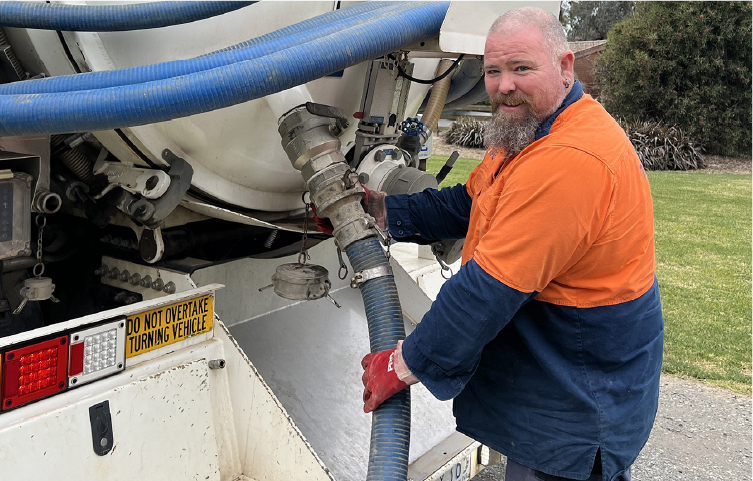
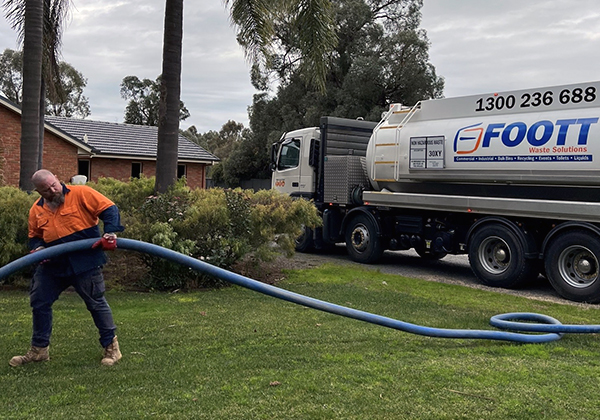
FOOTT’s trained operators access the septic tank and use specialised vacuum tanker equipment to remove the sludge and liquid waste. The collected waste is then transported for responsible and traceable disposal. For most domestic tanks, the pump-out itself can take around 30 minutes, although accessibility and the volume of waste can affect timing. Some systems, including Septech and Taylex systems, may take closer to an hour.
Before your service, it helps to:
- Make sure the septic tank lid can be accessed
- Remove heavy objects or obstructions where practical
- Secure pets
- Have any information about the tank’s size or location ready
A little preparation can make the job much simpler.
How much does septic tank pumping cost?
There isn’t one fixed septic tank pump-out price that suits every property. Cost can vary depending on:
- Tank size and capacity
- The amount of sludge and liquid to be removed
- The type of septic system
- Property location
- Whether specialised servicing is required
- Disposal requirements
The best way to get an accurate cost is to provide as much information about the system as possible and request a quote for your property. What matters is knowing what service is required, how the waste will be managed and what the job actually involves.
A simple septic tank pump-out schedule
If you’re trying to turn the 2-5 year guideline into something practical, this approach can help.
- Find the last service date: Check invoices, property records or previous owner information if available. If no one knows when the tank was last pumped, it’s better to have the system assessed than guess.
- Consider how heavily the system is used: A larger household will generally place more demand on a septic tank than one or two occupants. If occupancy has increased since the previous pump out, the old servicing interval may no longer suit.
- Check the tank size and system type: Tank capacity matters when deciding how often to pump out a septic tank. If you’re not sure what system you have, speak to a professional who can help identify it.
- Set a regular interval: Once you have a suitable schedule, stick with it. For many properties, that will fall somewhere between two and five years.
- Bring the service forward if needed: If you notice slow drains, odours, gurgling, soggy ground or wastewater backing up, arrange for the system to be checked rather than waiting for the next planned service.
What can make a septic tank fill more quickly?
Two properties with similar tanks can have very different servicing requirements. You may need to review your schedule if:
- More people have moved into the home
- Water use has increased significantly
- The property has changed from occasional to full-time occupancy
- The tank is small for the number of users
- The system is ageing or has had previous problems
That’s why the answer to how often to pump out a septic tank is a range, not an exact date that applies to everyone.
What happens if you leave it too long?
Once a tank becomes overloaded with accumulated solids, the risk of poor performance increases (that can mean bad smells, slow drainage, overflows or sewage backing up into the property). Ignoring the tank doesn’t make the contents go away… regular servicing is the simpler option.
Septic tank servicing for homes, businesses and events
FOOTT provides septic tank pump outs for domestic and commercial customers and also services septic tanks, portable tanks and portable toilets used at events. For events, pump outs can be carried out before, during or after the event depending on the site and requirements. FOOTT services septic systems across Northern Victoria and Southern New South Wales (if you’re unsure whether your property is within the service area, our team can confirm availability). We use specialised vacuum tanker equipment, with responsible and traceable waste disposal by an EPA licensed and registered operator.
Get in touch
Need help working out your next service? Contact FOOTT to discuss your septic tank and arrange a pump out suited to your property.